8 Books Like Fahrenheit 451
Hand-picked recommendations for readers who loved Fahrenheit 451 by Ray Bradbury.

If you loved...
Fahrenheit 451
by Ray Bradbury
Explore Fahrenheit 451 →We found 8 books with similar themes, writing style, and atmosphere. Each one hand-picked for readers who couldn't put down Fahrenheit 451.
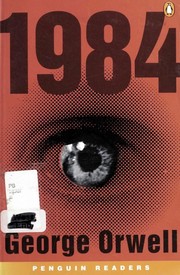
1984
George Orwell
Winston Smith alters old records for the Party, so Orwell's nightmare follows Bradbury's fear of erased knowledge into the machinery of official history. Montag destroys books in public; Winston makes inconvenient facts disappear quietly, while surveillance keeps citizens from checking one another's memories. Both men begin with private doubts about a system that claims to define reality. Choose 1984 for a colder, more openly political account of what happens when a state controls language and evidence. It is considerably bleaker than Bradbury's chase toward people who still remember books.
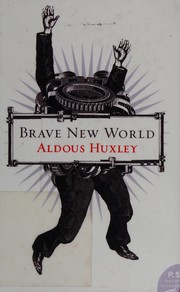
Brave New World
Aldous Huxley
Huxley's citizens are engineered for their places and taught to prefer comfort to troubling questions. That makes Brave New World a sharp companion to Mildred's screens and Montag's unease with a life organized around distraction. Its rulers have little need to burn books when conditioning and easy pleasure keep most people from wanting difficult ideas. The novel is more satirical and more interested in biology and social design than Bradbury's firemen. Read it if the passive acceptance of censorship unsettled you more than the flames themselves.

Ella Minnow Pea
Mark Dunn
On the island of Nollop, a council bans letters after they fall from a revered statue; the forbidden characters then vanish from the novel's own sentences. Ella Minnow Pea makes the attack on words visible on every page, an unusually exact match for readers who want another book about the cost of censorship. Unlike Montag's violent state, Nollop's rule grows from absurd civic obedience, and Dunn plays the premise for wit as well as menace. It is the lighter, more inventive route into the same question of who may decide what people can say.

The Memory Police
Yoko Ogawa
Objects disappear from Ogawa's island, and most people lose even the memory that they existed. A novelist and her editor try to preserve what can still be remembered while the Memory Police enforce each loss. The link to Montag rescuing books is direct: both stories ask what a written record can hold when public life demands forgetting. The Memory Police moves with a dreamlike hush rather than Bradbury's sirens and pursuit. Choose it for the intimate fear of losing a word or object before you can explain why it mattered.
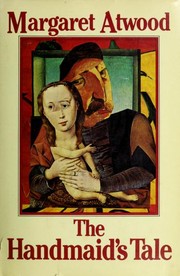
The Handmaid's Tale
Margaret Atwood
Offred survives Gilead partly by remembering the life she had before it. Like Montag, she has to weigh official language against private knowledge, but the state's primary violence is the control of women's bodies and reproductive lives. Atwood's theocracy is an adult political nightmare, with sexual coercion and a close, constrained narrator; it is not a book-burning adventure. It belongs here for readers who want a more severe account of what an authoritarian order permits people to know, say, and remember.
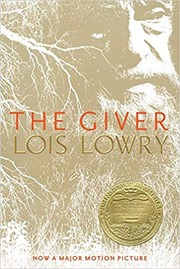
The Giver
Lois Lowry
Jonas grows up in a community that has removed painful memories and difficult choices from ordinary life. Receiving those memories turns a protected childhood into an ethical problem he cannot ignore. That change resembles Montag's discovery that social peace has been bought by suppressing thought, though Lowry writes for younger readers and uses far less action. The Giver is the quieter next step if the most interesting part of Fahrenheit 451 was the moment an apparently safe life stopped looking innocent.

The Circle
Dave Eggers
Mae joins a technology company that treats visibility as a public good and privacy as a suspicious refusal. Bradbury's wall screens provide a useful bridge, but The Circle shifts the pressure from a state firehouse to a workplace and a culture eager to display itself. The plot is less about literal censorship than about what constant watching does to judgment and dissent. Read it if Mildred's relationship with her screens felt more plausible than Montag's flamethrower, and you want the media question in a contemporary setting.

The Book Thief
Markus Zusak
Liesel steals and shares books in Nazi Germany while her foster family hides a Jewish man. Her care for words gives the book-saving impulse in Fahrenheit 451 a historical setting and a child's point of view. Zusak is writing about a real genocidal regime, not Bradbury's imagined future, so the two should not be treated as interchangeable warnings. The Book Thief is the choice for readers who want the act of protecting a story under persecution, with friendship and grief alongside the danger.
Explore More
Discover similar reads for other beloved titles
Frequently Asked Questions
Quick answers about books like Fahrenheit 451
What should I read after Fahrenheit 451?
If you enjoyed Fahrenheit 451 by Ray Bradbury, try 1984, Brave New World, Ella Minnow Pea, The Memory Police, and The Handmaid's Tale. Each one was hand-picked for similar themes, writing style, and atmosphere.
How many books are similar to Fahrenheit 451?
We've curated 8 books with a similar feel to Fahrenheit 451. A guide to Ray Bradbury's Fahrenheit 451, Guy Montag's rebellion, its questions about books and distraction, and what to read next.
Are there books like Fahrenheit 451 by Ray Bradbury?
Yes — readers who loved Fahrenheit 451 often pick up 1984, Brave New World, and Ella Minnow Pea. They share the qualities that made Ray Bradbury's book hard to put down.
What makes a book similar to Fahrenheit 451?
Winston Smith alters old records for the Party, so Orwell's nightmare follows Bradbury's fear of erased knowledge into the machinery of official history. Montag destroys books in public; Winston makes inconvenient facts disappear quietly, while surveillance keeps citizens from checking one another's memories. Both men begin with private doubts about a system that claims to define reality. Choose 1984 for a colder, more openly political account of what happens when a state controls language and evidence. It is considerably bleaker than Bradbury's chase toward people who still remember books. Huxley's citizens are engineered for their places and taught to prefer comfort to troubling questions. That makes Brave New World a sharp companion to Mildred's screens and Montag's unease with a life organized around distraction. Its rulers have little need to burn books when conditioning and easy pleasure keep most people from wanting difficult ideas. The novel is more satirical and more interested in biology and social design than Bradbury's firemen. Read it if the passive acceptance of censorship unsettled you more than the flames themselves.
Further Reading
Guides on tracking down the books you've half-forgotten
Only have a vibe? identify the genre first. Or describe the plot if you remember a scene.
Looking for a specific book you can't remember?
Describe it & we'll find it