
Summary
Guy Montag is a fireman whose job is to burn books. A meeting with his young neighbor Clarisse unsettles his certainty about that work, while his wife Mildred retreats into the entertainment filling their home. Montag begins hiding books and looking for someone who can help him understand what they contain. Ray Bradbury's novel follows his dangerous break with a society that treats reading and sustained thought as threats. Its pursuit plot is memorable, but the quieter question is why so many people accepted the loss of books before the firemen arrived.
Themes & motifs
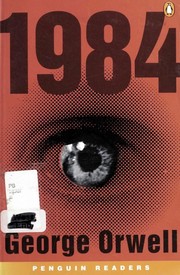
1984
George Orwell
Winston Smith alters old records for the Party, so Orwell's nightmare follows Bradbury's fear of erased knowledge into the machinery of official history. Montag destroys books in public; Winston makes inconvenient facts disappear quietly, while surveillance keeps citizens from checking one another's memories. Both men begin with private doubts about a system that claims to define reality. Choose 1984 for a colder, more openly political account of what happens when a state controls language and evidence. It is considerably bleaker than Bradbury's chase toward people who still remember books.
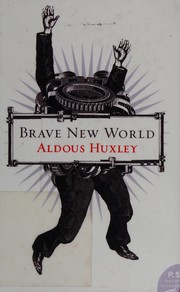
Brave New World
Aldous Huxley
Huxley's citizens are engineered for their places and taught to prefer comfort to troubling questions. That makes Brave New World a sharp companion to Mildred's screens and Montag's unease with a life organized around distraction. Its rulers have little need to burn books when conditioning and easy pleasure keep most people from wanting difficult ideas. The novel is more satirical and more interested in biology and social design than Bradbury's firemen. Read it if the passive acceptance of censorship unsettled you more than the flames themselves.

Ella Minnow Pea
Mark Dunn
On the island of Nollop, a council bans letters after they fall from a revered statue; the forbidden characters then vanish from the novel's own sentences. Ella Minnow Pea makes the attack on words visible on every page, an unusually exact match for readers who want another book about the cost of censorship. Unlike Montag's violent state, Nollop's rule grows from absurd civic obedience, and Dunn plays the premise for wit as well as menace. It is the lighter, more inventive route into the same question of who may decide what people can say.

The Memory Police
Yoko Ogawa
Objects disappear from Ogawa's island, and most people lose even the memory that they existed. A novelist and her editor try to preserve what can still be remembered while the Memory Police enforce each loss. The link to Montag rescuing books is direct: both stories ask what a written record can hold when public life demands forgetting. The Memory Police moves with a dreamlike hush rather than Bradbury's sirens and pursuit. Choose it for the intimate fear of losing a word or object before you can explain why it mattered.
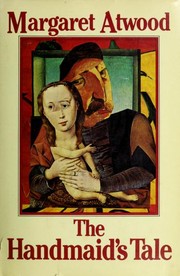
The Handmaid's Tale
Margaret Atwood
Offred survives Gilead partly by remembering the life she had before it. Like Montag, she has to weigh official language against private knowledge, but the state's primary violence is the control of women's bodies and reproductive lives. Atwood's theocracy is an adult political nightmare, with sexual coercion and a close, constrained narrator; it is not a book-burning adventure. It belongs here for readers who want a more severe account of what an authoritarian order permits people to know, say, and remember.
Find books like Fahrenheit 451
Continue with curated read-alikes and purchase options
More featured books
Explore other titles we've highlighted
Looking for a different book you can't quite remember?
Describe it & we'll find it