Summary
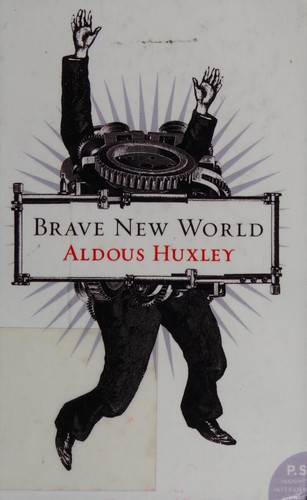
In Aldous Huxley's World State, people are bred and conditioned into social classes, while pleasure and easy distraction help keep the arrangement stable. Bernard Marx and Lenina Crowne encounter a person raised outside that system, exposing the assumptions they have learned to treat as natural. Huxley's dystopia asks what human freedom and difficult feeling mean in a society built to remove discomfort. Its method of control differs from the open terror in Orwell's 1984: the population is trained to want the very things that keep it compliant.
Themes & motifs
1984
George Orwell
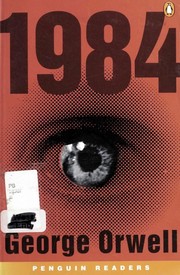
Orwell's Oceania keeps citizens obedient through surveillance, fear, and the rewriting of history. Huxley's World State uses conditioning and easy gratification, so reading 1984 next lets you compare two different ways of narrowing what a person can imagine. Winston knows enough to fear the Party; many of Huxley's citizens have been shaped not to want an alternative. Orwell's violence is more direct and his tone more despairing. Pick it if you want the political nightmare with its instruments of coercion fully exposed.
Fahrenheit 451
Ray Bradbury
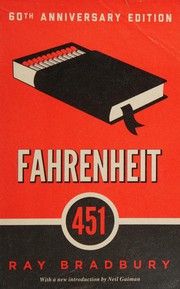
Montag burns books for a society that has grown comfortable with spectacle and shallow entertainment. Fahrenheit 451 is a close match for Huxley's concern that people may cooperate in their own intellectual confinement. Bradbury puts censorship and one man's decision to keep books at the center, whereas Brave New World begins with engineered people, caste, and pleasure. The shorter story has more pursuit and a more hopeful opening toward remembered texts. Read it for a vivid account of distraction becoming a civic habit.
The Giver
Lois Lowry
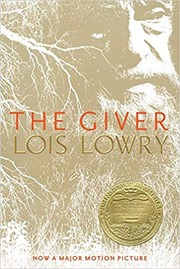
Jonas lives in a carefully ordered community that has removed pain, choice, and memory from most people's lives. The Giver asks, in a younger and quieter register, the question Huxley presses: what does a painless society require its citizens to surrender? Lowry's scheme has no pleasure drug or reproductive engineering, and Jonas's awakening is more intimate than the World State's arguments. It is the best shorter, accessible option for readers interested in the bargain between comfort and the full range of human experience.

Never Let Me Go
Kazuo Ishiguro
Kathy and her friends grow up in an English boarding school before understanding the purpose assigned to their lives. Never Let Me Go shares Huxley's interest in bodies managed by a social system and in what people can accept when an arrangement has always seemed normal. Ishiguro reveals the system through memory and ordinary relationships, not lectures or satire. Its sadness is quiet and personal; choose it when the treatment of people as biological resources mattered more than the World State's comic excess.

Oryx and Crake
Margaret Atwood
Oryx and Crake imagines a future shaped by corporate compounds, genetic invention, and an appetite for manufactured experiences. Huxley's social engineering meets a messier, market-driven world in which one catastrophe has already happened. Atwood's narrator moves between survival afterward and memories of how things went wrong. The book is darker and more explicit about ecological damage and sexual exploitation, with less of the controlled elegance of the World State. Read it if the science and commodification in Huxley felt like the most urgent thread.
Find books like Brave New World
Continue with curated read-alikes and purchase options
More featured books
Explore other titles we've highlighted
Looking for a different book you can't quite remember?
Describe it & we'll find it