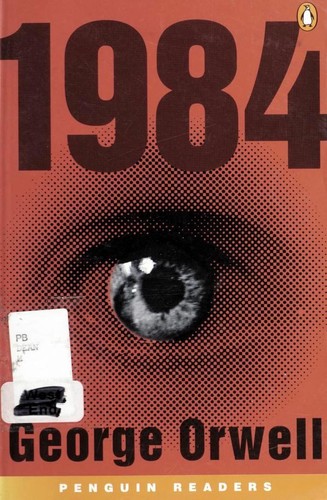
1984
by George Orwell
Summary
Winston Smith works at the Ministry of Truth in Oceania, rewriting old newspapers so the record always agrees with the Party's latest claim. Telescreens watch citizens inside their homes, Thought Police punish private dissent, and the face of Big Brother is everywhere. Winston knows that the official history is false, though he has little evidence beyond his own unstable memories.
His rebellion begins privately with a diary and grows through his relationship with Julia. They find temporary spaces outside the Party's direct control and imagine that an organized resistance might exist. The novel then tests whether personal loyalty and a private sense of truth can survive a state that controls language, evidence, and physical reality.
Orwell's invented political vocabulary remains one reason the book is widely read: Newspeak, doublethink, thoughtcrime, and memory holes give names to specific methods of control. The novel is bleak and contains torture, surveillance, and sexual coercion. It is less a prediction with a calendar date than a study of how power can make facts socially dangerous.
Editions and purchase options
Signet mass market paperback
Paperback · Signet · 1950
ISBN 9780451524935
Paid links. We may earn a commission from qualifying purchases.
Themes & motifs
About George Orwell
George Orwell was the pen name of English writer Eric Arthur Blair. His journalism, essays, Animal Farm, and 1984 examine class, empire, propaganda, and the corruption of political language.
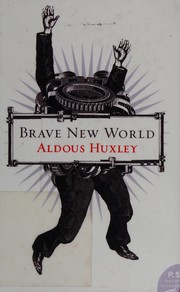
Brave New World
Aldous Huxley
Huxley's World State engineers people for assigned roles and conditions them to prefer pleasure over difficult questions. Orwell's Party uses surveillance, punishment, and rewritten records; Huxley's rulers can often get obedience without making citizens feel imprisoned. Both novels follow the cost of a social order that leaves little room for independent thought. Brave New World is a sharper satirical change of pace if the institutions in 1984 interested you, especially the bargain between stability and freedom. It has less of Winston's intimate struggle against a single all-seeing Party.
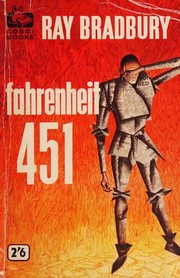
Fahrenheit 451
Ray Bradbury
Winston Smith rewrites the past for the Party; Guy Montag burns books for a society that has stopped wanting them. Both men begin to doubt the official account of the world they help maintain. Bradbury adds a fast-moving escape story and asks why screens and noise make independent thought so easy to abandon. Orwell's surveillance state is more systematic and its ending much bleaker. If the struggle to keep a private account of truth is what stayed with you after 1984, Fahrenheit 451 follows that question through books, memory, and the choice to read.
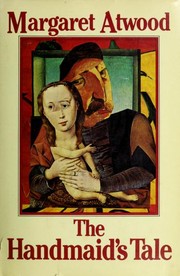
The Handmaid's Tale
Margaret Atwood
A chilling portrayal of a theocratic dystopia where women are subjugated, exploring themes of oppression, control, and resistance.

Animal Farm
George Orwell
While an allegory, this novella shares Orwell's sharp critique of political power, propaganda, and the corruption of ideals.
Find books like 1984
Continue with curated read-alikes and purchase options
More featured books
Explore other titles we've highlighted
Looking for a different book you can't quite remember?
Describe it & we'll find it