6 Books Like Rich Dad Poor Dad by Robert T. Kiyosaki
Books like Rich Dad Poor Dad for readers who want practical money habits, investing basics, and a clearer view of what wealth can mean.

If you loved...
Rich Dad Poor Dad
by Robert T. Kiyosaki
Explore Rich Dad Poor Dad →We found 6 books with similar themes, writing style, and atmosphere. Each one hand-picked for readers who couldn't put down Rich Dad Poor Dad.

The Psychology of Money
Morgan Housel
Morgan Housel also wants to change how you think about money before handing you a checklist. His short stories examine luck, risk, patience, and the way a person's history shapes financial decisions. That makes this a close match for the mindset shift in Rich Dad Poor Dad, with less emphasis on entrepreneurial assets and more on behavior over decades. It does not promise one route to riches. Start here if Kiyosaki's contrast between two ways of thinking held your attention, but you want a calmer discussion of why sensible people make very different choices with money.
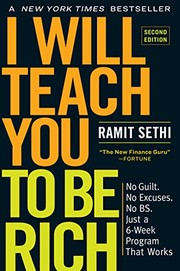
I Will Teach You to Be Rich
Ramit Sethi
Ramit Sethi picks up where Kiyosaki's broad lessons leave off. I Will Teach You to Be Rich goes into bank accounts, debt, automation, conscious spending, and investing in a way a reader can actually set up. Its voice is confident and sometimes deliberately provocative, so it shares some of Rich Dad Poor Dad's energy. The difference is its focus on a personal finance system that works with a regular income, rather than real estate or business ownership. Choose this when you want a concrete next action for your paycheck, not another argument about what counts as an asset.

The Simple Path to Wealth
JL Collins
JL Collins makes a case for saving steadily and investing simply, especially through broad stock index funds. The Simple Path to Wealth is a useful counterpoint to Kiyosaki's interest in finding and managing individual assets: it asks how much complexity a household really needs. Collins writes in an approachable, father-to-child voice, but his recommendations are more specific and concentrated than the general parables of Rich Dad Poor Dad. Read it if the idea of having money work for you appealed, and you want to understand a low-maintenance route before deciding whether property or a business suits you.

The Millionaire Next Door
Thomas J. Stanley, William D. Danko
The Millionaire Next Door studies patterns among affluent households and finds many people who built wealth through restrained spending rather than conspicuous consumption. That connects directly to Rich Dad Poor Dad's challenge to the assumption that a high salary or impressive possessions equal financial security. Stanley and Danko rely on surveys and typologies rather than Kiyosaki's two-dads story. Some figures reflect the era in which the research was conducted, so use the book for its questions about income, spending, and net worth, not as a current statistical snapshot. It is a good pick for the quieter habits behind wealth.

Your Money or Your Life
Vicki Robin, Joe Dominguez
Your Money or Your Life ties spending to the hours of work required to earn it. Vicki Robin asks readers to track money, examine what purchases actually provide, and decide what enough might look like. Kiyosaki emphasizes financial independence through assets; Robin approaches independence through values, consumption, and the life a person wants outside paid work. This is less an investment playbook than a demanding reflection exercise with practical tracking. Choose it if the promise of escaping a paycheck appealed to you, but you want to ask what you would do with the time and freedom gained.

The Richest Man in Babylon
George S. Clason
The Richest Man in Babylon uses brief parables to introduce saving, living below one's means, and putting money to work. Its storytelling makes it a natural companion to the lesson-driven format of Rich Dad Poor Dad. The old-fashioned setting and simple moral structure also mean it offers little about modern taxes, diversified funds, or housing decisions. Read it for a compact statement of enduring money habits, then turn to a contemporary guide for implementation. If Kiyosaki's most useful feature was that a story made a financial idea stick, Clason's book offers that same reading experience in an earlier register.
Explore More
Discover similar reads for other beloved titles
Frequently Asked Questions
Quick answers about books like Rich Dad Poor Dad
What should I read after Rich Dad Poor Dad?
If you enjoyed Rich Dad Poor Dad by Robert T. Kiyosaki, try The Psychology of Money, I Will Teach You to Be Rich, The Simple Path to Wealth, The Millionaire Next Door, and Your Money or Your Life. Each one was hand-picked for similar themes, writing style, and atmosphere.
How many books are similar to Rich Dad Poor Dad?
We've curated 6 books with a similar feel to Rich Dad Poor Dad. Books like Rich Dad Poor Dad for readers who want practical money habits, investing basics, and a clearer view of what wealth can mean.
Are there books like Rich Dad Poor Dad by Robert T. Kiyosaki?
Yes — readers who loved Rich Dad Poor Dad often pick up The Psychology of Money, I Will Teach You to Be Rich, and The Simple Path to Wealth. They share the qualities that made Robert T. Kiyosaki's book hard to put down.
What makes a book similar to Rich Dad Poor Dad?
Morgan Housel also wants to change how you think about money before handing you a checklist. His short stories examine luck, risk, patience, and the way a person's history shapes financial decisions. That makes this a close match for the mindset shift in Rich Dad Poor Dad, with less emphasis on entrepreneurial assets and more on behavior over decades. It does not promise one route to riches. Start here if Kiyosaki's contrast between two ways of thinking held your attention, but you want a calmer discussion of why sensible people make very different choices with money. Ramit Sethi picks up where Kiyosaki's broad lessons leave off. I Will Teach You to Be Rich goes into bank accounts, debt, automation, conscious spending, and investing in a way a reader can actually set up. Its voice is confident and sometimes deliberately provocative, so it shares some of Rich Dad Poor Dad's energy. The difference is its focus on a personal finance system that works with a regular income, rather than real estate or business ownership. Choose this when you want a concrete next action for your paycheck, not another argument about what counts as an asset.
Further Reading
Guides on tracking down the books you've half-forgotten
Only have a vibe? identify the genre first. Or describe the plot if you remember a scene.
Looking for a specific book you can't remember?
Describe it & we'll find it