12 Books Like Atomic Habits by James Clear
Books like Atomic Habits, from Tiny Habits and The Power of Habit to Deep Work and Four Thousand Weeks, for changing routines and choosing what matters.

If you loved...
Atomic Habits
by James Clear
Explore Atomic Habits →We found 12 books with similar themes, writing style, and atmosphere. Each one hand-picked for readers who couldn't put down Atomic Habits.

The Power of Habit
Charles Duhigg
Clear gives you a set of levers for changing a habit; Duhigg spends more time showing how the machinery was discovered. His cue–routine–reward loop is a useful way to investigate a stubborn behavior before you try to replace it. The book also moves beyond personal routines into organizations and social movements, so the examples feel less like a checklist for your morning and more like case studies in why people do what they do. Start here if you finished Atomic Habits wanting to understand the research stories behind a routine, especially one you have tried and failed to break.

Tiny Habits
BJ Fogg Ph.D
The overlap is obvious: both books ask you to make a new behavior small enough to repeat. Fogg's difference is what happens immediately after. He pairs a tiny action with an existing anchor, then asks you to celebrate it so the behavior feels good now rather than after some distant payoff. That makes Tiny Habits especially useful when even Clear's two-minute version of a goal feels too ambitious. Its examples can seem almost comically small, such as flossing one tooth, but that is the point. The book gives you a concrete recipe to try today, with permission to adjust it tomorrow.

How to Change
Katy Milkman
Atomic Habits is strongest when you can redesign a cue or reduce friction. Milkman begins one step earlier: what is actually stopping this change? Forgetfulness, procrastination, and a task you simply dislike call for different responses. She draws on behavioral research to show why a fresh start can help with timing and why making an unpleasant task more enjoyable may beat another reminder. If you've tried a neat habit tracker and still avoided the workout, this is the more diagnostic read. It also keeps the focus on obstacles in a real life, where the same tactic won't fit every person or every goal.
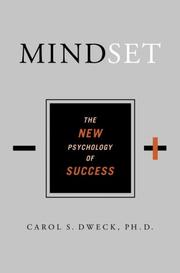
Mindset
Carol S. Dweck
Clear writes about becoming the kind of person who does the habit; Dweck asks what you believe about your capacity to improve in the first place. Mindset examines the difference between treating ability as fixed and treating it as something you can develop, with examples from school, work, and sport. That shift matters when a missed day starts to sound like proof that you are hopeless at the task. This is a book about how you interpret effort and setbacks, rather than a set of cues to put on your calendar. Read it alongside Atomic Habits if the practical system makes sense but your self-talk keeps pulling it apart.

Make Time
Jake Knapp and John Zeratsky
A good habit still needs room in the day. Knapp and Zeratsky offer a daily loop: choose one Highlight, protect time for it from digital distractions, look after your energy, then reflect on what worked. Where Atomic Habits builds a repeatable behavior, Make Time helps you decide what deserves today's attention. Its menu of tactics lets you experiment with your phone, inbox, and schedule without adopting an elaborate new productivity identity. This is the practical follow-up if your habit plan keeps losing to the default shape of your workday. The book is more about reclaiming attention than tracking a streak.
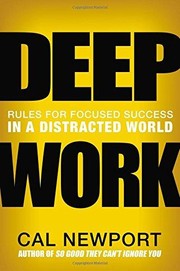
Deep Work
Cal Newport
Suppose the habit you want is to write, study, or solve a hard problem without checking your phone. Newport takes that one part of behavior change and treats it as a skill worth training. Deep Work argues for stretches of undistracted concentration and offers rules for protecting them, including making space for boredom and cutting shallow demands. Clear can help you show up at the desk; Newport is concerned with what happens once you sit down. Its examples lean toward knowledge work, so it is a narrower recommendation than another general habits book. For readers whose real problem is fractured attention, that narrowness is useful.

Essentialism
Greg McKeown
Before making another good habit easy, it may be worth asking whether it belongs on your list at all. McKeown's Essentialism is about choosing fewer commitments and giving the important ones room. He moves through deciding what matters, eliminating what does not, and making the chosen work easier to do. Atomic Habits is good at improving a system you already value; Essentialism presses you to examine the system's priorities. That makes it a strong match for readers who can execute routines perfectly and still feel pulled in too many directions. Expect more decisions about where to say no than advice on building a morning ritual.

The ONE Thing
Gary Keller and Jay Papasan
This book narrows the question from 'How do I make better habits?' to 'Which action matters most right now?' Keller and Papasan use a focusing question to strip a crowded task list down to the one move that makes other work easier or less necessary. It shares Atomic Habits' interest in small actions with large consequences, but spends less time on cues, rewards, or the mechanics of repetition. The business-minded tone will not suit everyone. It is useful if Clear has persuaded you to be consistent and you are still spreading that consistency across twenty goals at once.
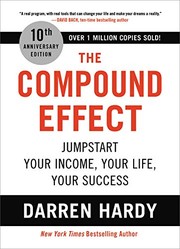
The Compound Effect
Darren Hardy
Hardy's central image is close to Clear's: small decisions can accumulate until the results are hard to ignore. The Compound Effect puts more weight on choices, momentum, and personal accountability, with a brisk success-coaching voice rather than a detailed tour of habit cues. That can be energizing if you want a reminder that an ordinary action repeated for months is worth taking seriously. It can also feel less nuanced about circumstances than Atomic Habits, so treat it as a different motivational lens, not a replacement for Clear's framework. Pick it when the idea of compounding was the part of Atomic Habits that stayed with you.

Getting Things Done
David Allen
Clear explains how to make a behavior recur; Allen tackles the pile of unfinished commitments that can crowd it out. Getting Things Done asks you to capture everything on your mind, clarify the next action, organize those actions, review them, and then engage with the work. It is a full workflow, more structured than a two-minute habit, and setting it up takes effort. Once in place, though, the system gives a small daily routine somewhere to live. Choose this if you can keep an individual habit but lose track of projects, promises, and loose notes around it. It addresses mental clutter more directly than Atomic Habits does.
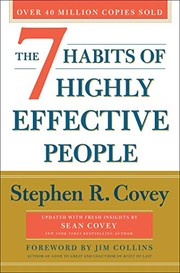
The 7 Habits of Highly Effective People
Stephen R. Covey
Covey uses the word 'habits' for broad principles such as being proactive, putting first things first, and listening before trying to be understood. Clear works at the scale of the action you repeat tomorrow; Covey works at the scale of the person and relationships those actions are meant to support. The result is less of a behavior-design manual and more of a framework for deciding how to work and live with other people. Some readers will find its leadership language dated, but its questions about priorities and renewal still make a useful companion to a finely tuned routine. Read it when you want to connect daily systems to a larger direction.

Four Thousand Weeks
Oliver Burkeman
Here is the counterweight to the urge to optimize every hour. Burkeman starts with a blunt fact: an eighty-year life is only about four thousand weeks. From there he asks what changes when you accept that you will never finish everything or control every outcome. Atomic Habits can make a chosen action easier to repeat; Four Thousand Weeks helps you live with the choices that leave other actions undone. It offers fewer trackers and more perspective on limits, attention, and meaning. If productivity advice has begun to make you feel permanently behind, this is the book to read before adding another habit to the list.
Explore More
Discover similar reads for other beloved titles
Frequently Asked Questions
Quick answers about books like Atomic Habits
What should I read after Atomic Habits?
If you enjoyed Atomic Habits by James Clear, try The Power of Habit, Tiny Habits, How to Change, Mindset, and Make Time. Each one was hand-picked for similar themes, writing style, and atmosphere.
How many books are similar to Atomic Habits?
We've curated 12 books with a similar feel to Atomic Habits. Books like Atomic Habits, from Tiny Habits and The Power of Habit to Deep Work and Four Thousand Weeks, for changing routines and choosing what matters.
Which books should fans of James Clear try after Atomic Habits?
Start with The Power of Habit, Tiny Habits, and How to Change. The comparisons on this page explain the connections and differences so you can choose your next book.
What makes a book similar to Atomic Habits?
Clear gives you a set of levers for changing a habit; Duhigg spends more time showing how the machinery was discovered. His cue–routine–reward loop is a useful way to investigate a stubborn behavior before you try to replace it. The book also moves beyond personal routines into organizations and social movements, so the examples feel less like a checklist for your morning and more like case studies in why people do what they do. Start here if you finished Atomic Habits wanting to understand the research stories behind a routine, especially one you have tried and failed to break. The overlap is obvious: both books ask you to make a new behavior small enough to repeat. Fogg's difference is what happens immediately after. He pairs a tiny action with an existing anchor, then asks you to celebrate it so the behavior feels good now rather than after some distant payoff. That makes Tiny Habits especially useful when even Clear's two-minute version of a goal feels too ambitious. Its examples can seem almost comically small, such as flossing one tooth, but that is the point. The book gives you a concrete recipe to try today, with permission to adjust it tomorrow.
Further Reading
Guides on tracking down the books you've half-forgotten
Only have a vibe? identify the genre first. Or describe the plot if you remember a scene.
Looking for a specific book you can't remember?
Describe it & we'll find it