6 Books Like The Help by Kathryn Stockett
Books like The Help for Southern history, women’s friendships, domestic labor, and fuller views of racism and resistance.

If you loved...
The Help
by Kathryn Stockett
Explore The Help →We found 6 books with similar themes, writing style, and atmosphere. Each one hand-picked for readers who couldn't put down The Help.
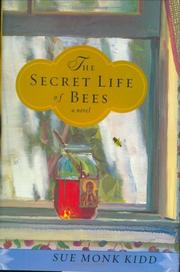
The secret life of bees
Sue Monk Kidd, Sue Kidd
Lily Owens leaves home with Rosaleen, the Black woman who has cared for her, and finds refuge with three sisters who keep bees in South Carolina. The Secret Life of Bees shares The Help's 1960s Southern setting and its interest in women offering one another shelter under segregation. Sue Monk Kidd keeps the focus on one white adolescent's search for her mother, so Rosaleen and the Boatwright sisters are seen through Lily's growth. It is a warmer, more fable-like story; choose it for the found household while keeping that viewpoint difference in mind.

The Color Purple
Alice Walker
Celie writes letters as she endures abuse and gradually forms relationships that help her claim a life of her own. The Color Purple gives a Black woman the first-person voice and narrative center that a reader may want after The Help. Alice Walker's novel spans an earlier period and addresses sexual violence, faith, desire, and women's love with greater directness. Its dialect and letter form are part of Celie's development, not a device for an outsider to explain her. Read it for female solidarity without expecting Stockett's lighter ensemble tone.

The Invention of Wings
Sue Monk Kidd
Sarah Grimké and Hetty 'Handful' Grimké grow up in the same Charleston household on opposite sides of enslavement. The Invention of Wings shares The Help's alternating women's perspectives and its attention to the labor that makes privileged homes possible. Sue Monk Kidd reaches back to the early nineteenth century, where the legal stakes are different and much more severe. The novel also combines a historical abolitionist with a fictionalized account of an enslaved woman's life. Choose it if the historical structures behind domestic service are the question you want to pursue.

The Kitchen House
Kathleen Grissom
Lavinia, an Irish orphan, is raised among enslaved workers on a Virginia plantation and later finds herself pulled between the people who cared for her and the household that owns them. The Kitchen House shares The Help's domestic setting and its cross-racial relationships, but is set under slavery rather than Jim Crow. Kathleen Grissom's plot is more melodramatic and violent, with a younger white narrator whose limited understanding drives much of the tension. It fits if you want a historical family saga while being alert to whose point of view carries the story.
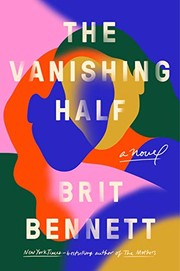
The Vanishing Half
Brit Bennett
Twin sisters from a Southern Black community take sharply different paths, one living as white and one returning to the world they left. The Vanishing Half moves beyond The Help's 1960s household work to ask how race, colorism, and family history shape choices across generations. Brit Bennett gives Black women and their descendants the narrative center, with no Skeeter-like intermediary. Its time span and shifting viewpoints require more attention, but they also allow the consequences of a decision to emerge gradually. Choose it for a richer family story about identity and belonging.

The Nickel Boys
Colson Whitehead
Elwood is sent to a brutal reform school in Jim Crow Florida despite his faith in the civil-rights ideals he has learned. The Nickel Boys shares The Help's historical period and insistence that ordinary institutions helped enforce racism. Colson Whitehead's novel is shorter, harder, and centered on boys rather than domestic workers; it offers little of Stockett's comic relief. The school's violence is based on real abuses, though the characters are fictional. Read it if The Help made you want a more unsparing account of what the era's public systems did to Black children.
Explore More
Discover similar reads for other beloved titles
Frequently Asked Questions
Quick answers about books like The Help
What should I read after The Help?
If you enjoyed The Help by Kathryn Stockett, try The secret life of bees, The Color Purple, The Invention of Wings, The Kitchen House, and The Vanishing Half. Each one was hand-picked for similar themes, writing style, and atmosphere.
How many books are similar to The Help?
We've curated 6 books with a similar feel to The Help. Books like The Help for Southern history, women’s friendships, domestic labor, and fuller views of racism and resistance.
Are there books like The Help by Kathryn Stockett?
Yes — readers who loved The Help often pick up The secret life of bees, The Color Purple, and The Invention of Wings. They share the qualities that made Kathryn Stockett's book hard to put down.
What makes a book similar to The Help?
Lily Owens leaves home with Rosaleen, the Black woman who has cared for her, and finds refuge with three sisters who keep bees in South Carolina. The Secret Life of Bees shares The Help's 1960s Southern setting and its interest in women offering one another shelter under segregation. Sue Monk Kidd keeps the focus on one white adolescent's search for her mother, so Rosaleen and the Boatwright sisters are seen through Lily's growth. It is a warmer, more fable-like story; choose it for the found household while keeping that viewpoint difference in mind. Celie writes letters as she endures abuse and gradually forms relationships that help her claim a life of her own. The Color Purple gives a Black woman the first-person voice and narrative center that a reader may want after The Help. Alice Walker's novel spans an earlier period and addresses sexual violence, faith, desire, and women's love with greater directness. Its dialect and letter form are part of Celie's development, not a device for an outsider to explain her. Read it for female solidarity without expecting Stockett's lighter ensemble tone.
Further Reading
Guides on tracking down the books you've half-forgotten
Only have a vibe? identify the genre first. Or describe the plot if you remember a scene.
Looking for a specific book you can't remember?
Describe it & we'll find it