7 Books Like The Catcher in the Rye
Hand-picked recommendations for readers who loved The Catcher in the Rye by J. D. Salinger.

If you loved...
The Catcher in the Rye
by J. D. Salinger
Explore The Catcher in the Rye →We found 7 books with similar themes, writing style, and atmosphere. Each one hand-picked for readers who couldn't put down The Catcher in the Rye.
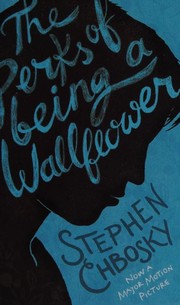
The Perks of Being a Wallflower
Stephen Chbosky
Charlie writes letters as he enters high school, finds friends, and tries to understand feelings he cannot yet explain. The Perks of Being a Wallflower shares Holden's intimate teenage voice and attention to people who feel out of step with school life. Charlie is quieter and more open to friendship, while the novel eventually addresses trauma much more directly. Choose it if Holden's attempts to connect beneath his defensive judgments mattered more than his New York wandering, and expect heavier material around abuse and mental health.

The Bell Jar
Sylvia Plath
Esther Greenwood has opportunities that appear enviable from outside, yet her sense of a possible future narrows as depression deepens. The Bell Jar is an adult novel with a confessional voice and a sharp eye for social performance, which makes it a close companion to Holden's disgust with prescribed paths. Plath's treatment of psychiatric care and suicidal crisis is more explicit and severe. Read it for alienation seen through a young woman's ambitions and constraints rather than through a boy leaving school.

Looking for Alaska
John Green
Miles arrives at boarding school looking for a larger life and is drawn into a group whose friendships are both exciting and hard to read. Looking for Alaska shares the school setting, self-conscious teenage narration, and desire to find something genuine beneath routine. Green builds toward grief and questions about how we turn another person into an idea. It is more plot-shaped and more willing to let friends challenge the narrator than Holden's solitary New York account. Choose it for adolescence, friendship, and loss together.
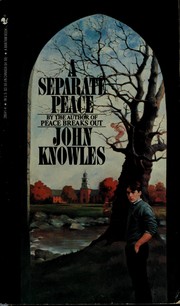
A Separate Peace
John Knowles
Gene looks back on his friendship and rivalry with Finny at a New England boarding school during the Second World War. A Separate Peace offers another privileged school environment where a teenager struggles to name envy, loyalty, and fear. Knowles uses retrospective narration and a concentrated relationship rather than Holden's immediate, digressive voice and city encounters. Read it when Holden's account made you suspect that the hardest thing to explain was not the school itself but what he felt toward another student.

The Outsiders
S. E. Hinton
Ponyboy Curtis reads, watches people closely, and tries to make sense of violence between rival teen groups. The Outsiders shares Holden's belief that adults often miss what matters to young people and its first-person urgency. Hinton's working-class Tulsa setting, family loyalty, and gang conflict differ from Holden's prep-school New York. The story is more outwardly eventful and compassionate toward its group of friends. Choose it for another memorable teen voice with a stronger sense of belonging and sharper physical stakes.

Eleanor & Park
Rainbow Rowell
Eleanor and Park form a connection through shared music and comics while navigating a school that can be cruel and home lives that are not equally safe. Rowell gives their teenage observations room to be awkward and specific, a draw for readers who liked Holden's sensitivity under his harsh talk. The alternating romance is warmer and more outwardly hopeful, though Eleanor's family situation is serious. Choose it when the wish to be understood mattered more than Holden's refusal of the conventional coming-of-age story.

Norwegian Wood
Haruki Murakami
Toru Watanabe remembers youth, love, and loss in late-1960s Japan after a song brings the past back to him. Norwegian Wood shares Catcher's melancholy first-person voice and interest in how grief can make ordinary student life feel unreal. Murakami's narrator is older, the sexual material is more explicit, and the story is shaped by adult relationships and depression rather than school expulsion. Pick it if Holden's wandering mind and unresolved mourning stayed with you, and you want a slower, more adult novel.
Explore More
Discover similar reads for other beloved titles
Frequently Asked Questions
Quick answers about books like The Catcher in the Rye
What should I read after The Catcher in the Rye?
If you enjoyed The Catcher in the Rye by J. D. Salinger, try The Perks of Being a Wallflower, The Bell Jar, Looking for Alaska, A Separate Peace, and The Outsiders. Each one was hand-picked for similar themes, writing style, and atmosphere.
How many books are similar to The Catcher in the Rye?
We've curated 7 books with a similar feel to The Catcher in the Rye. Holden wanders New York after leaving school in The Catcher in the Rye. Explore his voice and books about adolescent alienation.
Are there books like The Catcher in the Rye by J. D. Salinger?
Yes — readers who loved The Catcher in the Rye often pick up The Perks of Being a Wallflower, The Bell Jar, and Looking for Alaska. They share the qualities that made J. D. Salinger's book hard to put down.
What makes a book similar to The Catcher in the Rye?
Charlie writes letters as he enters high school, finds friends, and tries to understand feelings he cannot yet explain. The Perks of Being a Wallflower shares Holden's intimate teenage voice and attention to people who feel out of step with school life. Charlie is quieter and more open to friendship, while the novel eventually addresses trauma much more directly. Choose it if Holden's attempts to connect beneath his defensive judgments mattered more than his New York wandering, and expect heavier material around abuse and mental health. Esther Greenwood has opportunities that appear enviable from outside, yet her sense of a possible future narrows as depression deepens. The Bell Jar is an adult novel with a confessional voice and a sharp eye for social performance, which makes it a close companion to Holden's disgust with prescribed paths. Plath's treatment of psychiatric care and suicidal crisis is more explicit and severe. Read it for alienation seen through a young woman's ambitions and constraints rather than through a boy leaving school.
Further Reading
Guides on tracking down the books you've half-forgotten
Only have a vibe? identify the genre first. Or describe the plot if you remember a scene.
Looking for a specific book you can't remember?
Describe it & we'll find it